Is there anything more pure in this world than two people falling head over heels for each other? That kind of love deserves a wedding that feels just as unmistakably yours, not a list of rules inherited from weddings past. If you’re planning an LGBTQ+ wedding, you’ve got every reason to make the day reflect your relationship instead of a script someone else wrote. Here’s how to handle venues, guests, budgets, and the traditions worth keeping (or leaving behind) along the way.
Finding Inclusive Venues & Vendors
Start with the people who’ll actually be working your wedding. A venue’s website can be plastered with confetti and good vibes and still not tell you what you need to know, like whether they’ve hosted LGBTQ+ couples before, whether their nondiscrimination policies are in writing and not just implied, and whether the restrooms won’t make anyone feel unaccounted for. The same goes for photographers, florists, and planners. Look out for portfolios that show couples you can relate to, and don’t be shy about asking vendors directly about their experience before you sign anything.
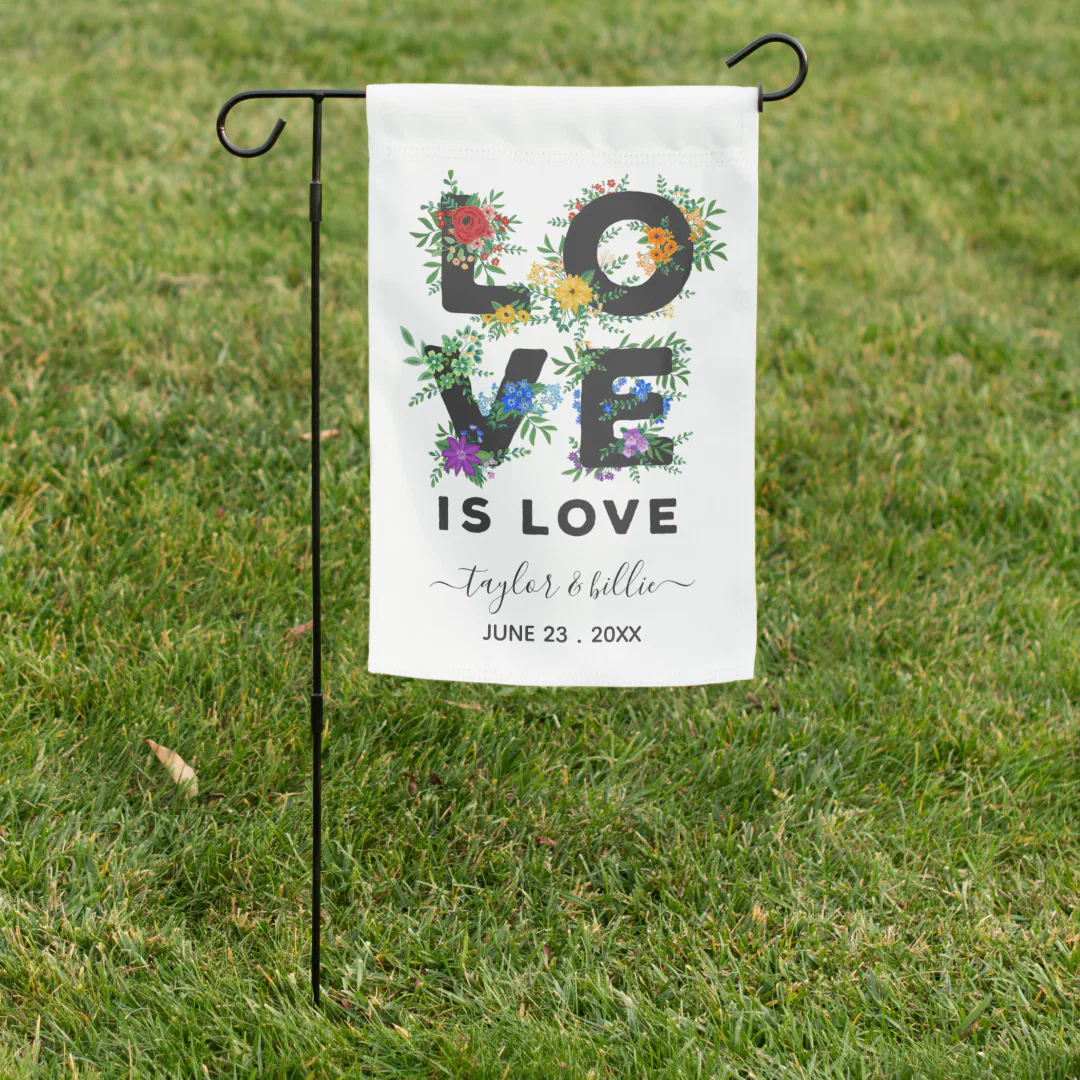
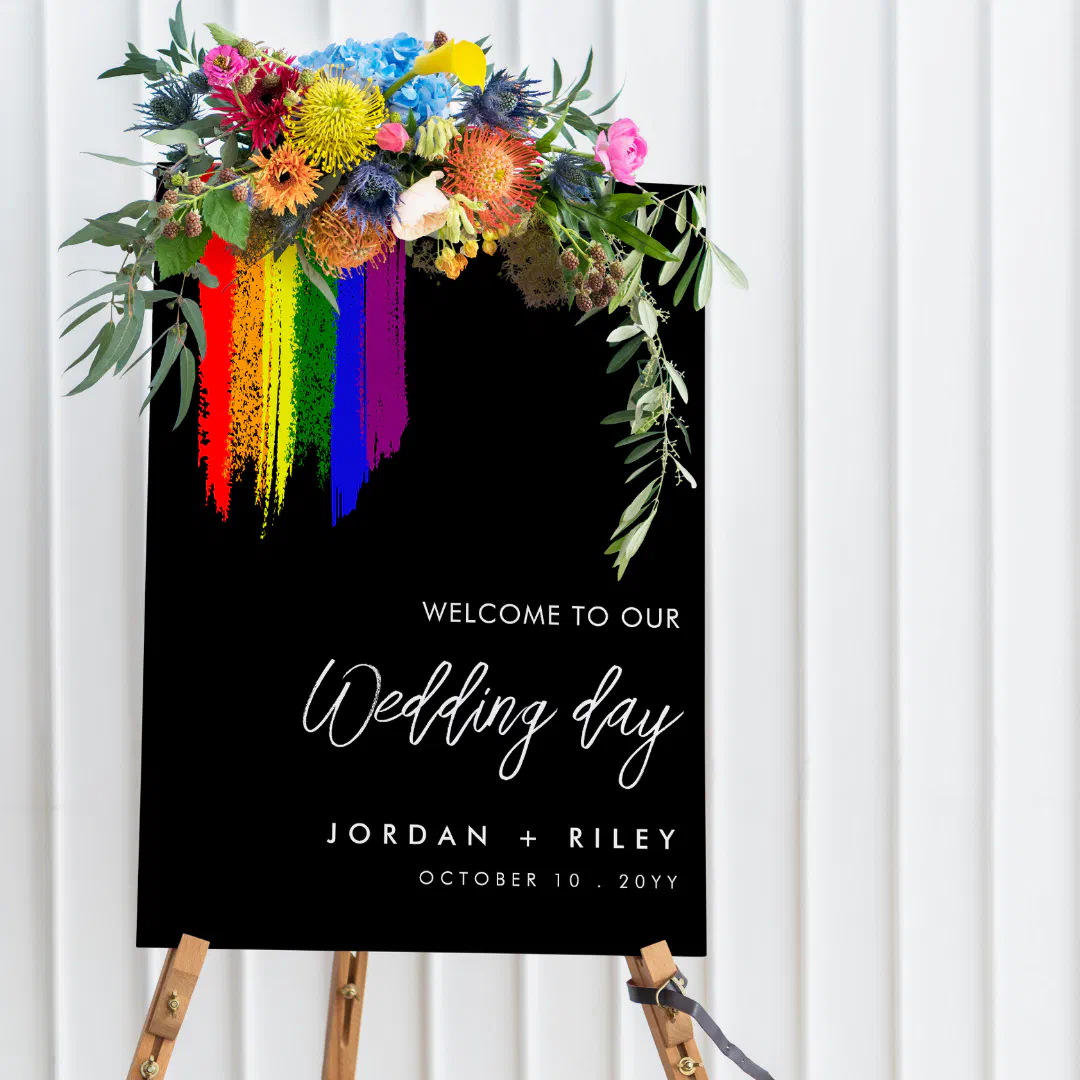
Once you’ve found your people, lean into the décor that makes the space feel like yours. Pick up a custom welcome sign for the entrance, banners across the reception, or garden décor scattered through the ceremony site are easy, affordable ways to put your stamp on a venue that’s only yours for one day.

Curating Your Guest List & Pre-Wedding Celebrations
Your guest list should read like a friendship highlight reel. Invite the people who are genuinely thrilled for you, not the ones you feel obligated to include because they showed up to your cousin’s wedding ten years ago. The family you’ve chosen for yourself deserves a seat right alongside the biological family; no separate tiers are required!
That same freedom carries over to your pre-wedding celebrations. Individual bachelor or bachelorette parties, or one big joint blowout if you’d rather not split them – the choice is entirely up to you. There’s no rulebook that says you have to divide by gender or tradition.
If some of your guests haven’t been to an LGBTQ+ wedding before, a little prep goes a long way. Sending them “5 Things to Know Before Attending a Same-Sex Wedding” and “Your Same-Sex Wedding Etiquette Questions Answered” ahead of time means fewer awkward questions on the day itself, and more time for everyone to just enjoy the party.
Practical Planning Basics
These days, couples split costs however makes sense: evenly, based on what each person can afford, or by handing off pieces of the budget to whoever wants to take them on. And, building your overall budget before you book a single vendor will save you from falling hard for a venue that’s wildly out of range. Get the money conversation out of the way early so you can focus on the fun stuff!
The Ceremony & Reception
Your ceremony doesn’t have to lean on readings written for relationships that don’t look like yours. Skip the recycled passages and pick words, music, and readings that actually reflect who you are as a couple. If a first look, or just a few quiet minutes alone before the chaos kicks in, sounds appealing, schedule it in!
Cultural and religious elements can be woven in too, blended, layered, or set side by side, whatever feels true to your families and your relationship. Once the ceremony wraps, carry that same energy into the reception. Seating, toast order, and your first dance can all skip the default playbook in favor of whatever actually makes the night feel like yours, and small touches like custom napkins or wedding guest books in your color palette make the room feel pulled together without much extra effort.
Rewriting the Rulebook on Gender Roles & Traditions
‘Bride’ and ‘groom’ are just two words plucked from a dictionary, so you can swap them out for whatever terms fit. Walk down the aisle solo, together, or escorted by whoever’s earned the honor, whether that’s a parent, a sibling, or your best friend since the third grade.
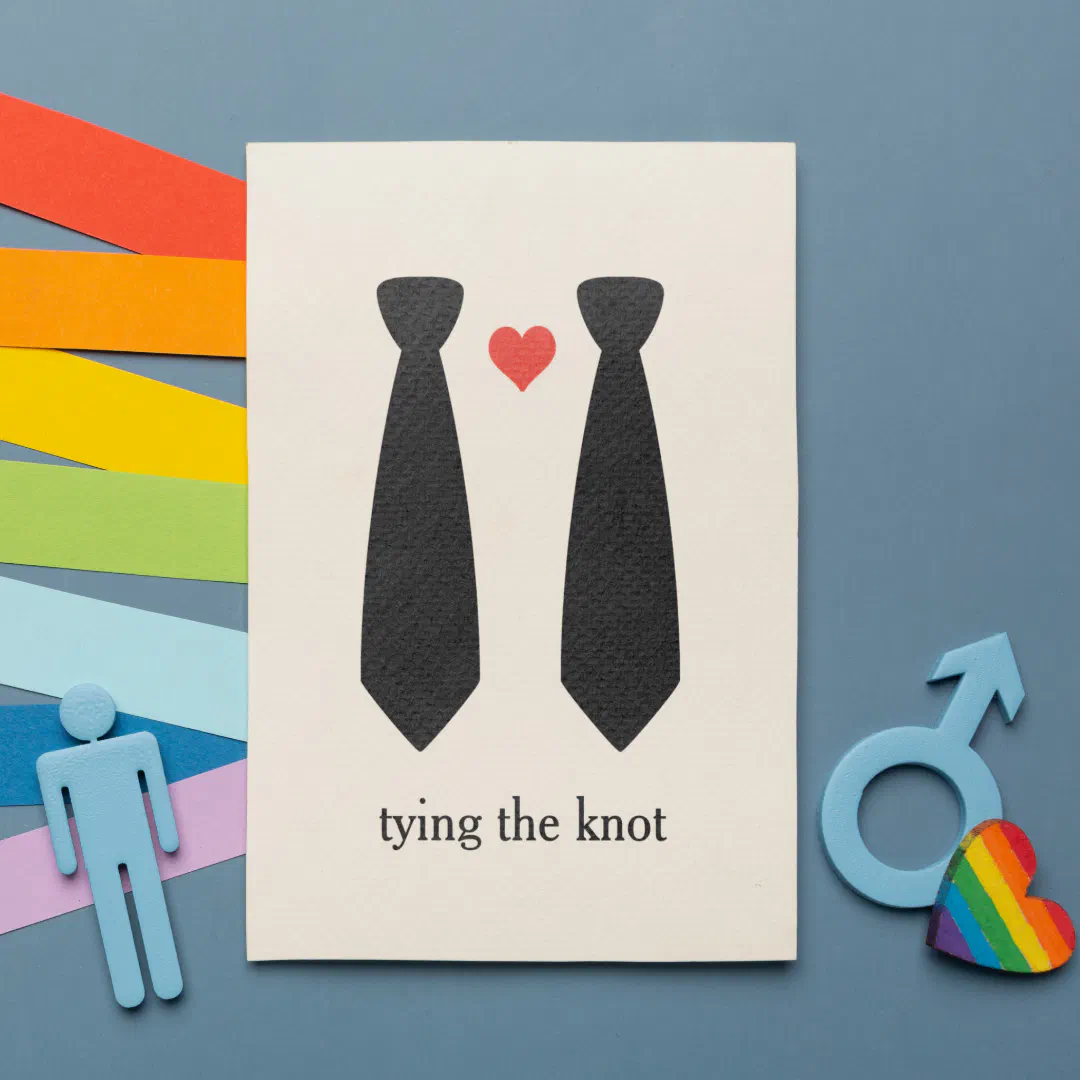
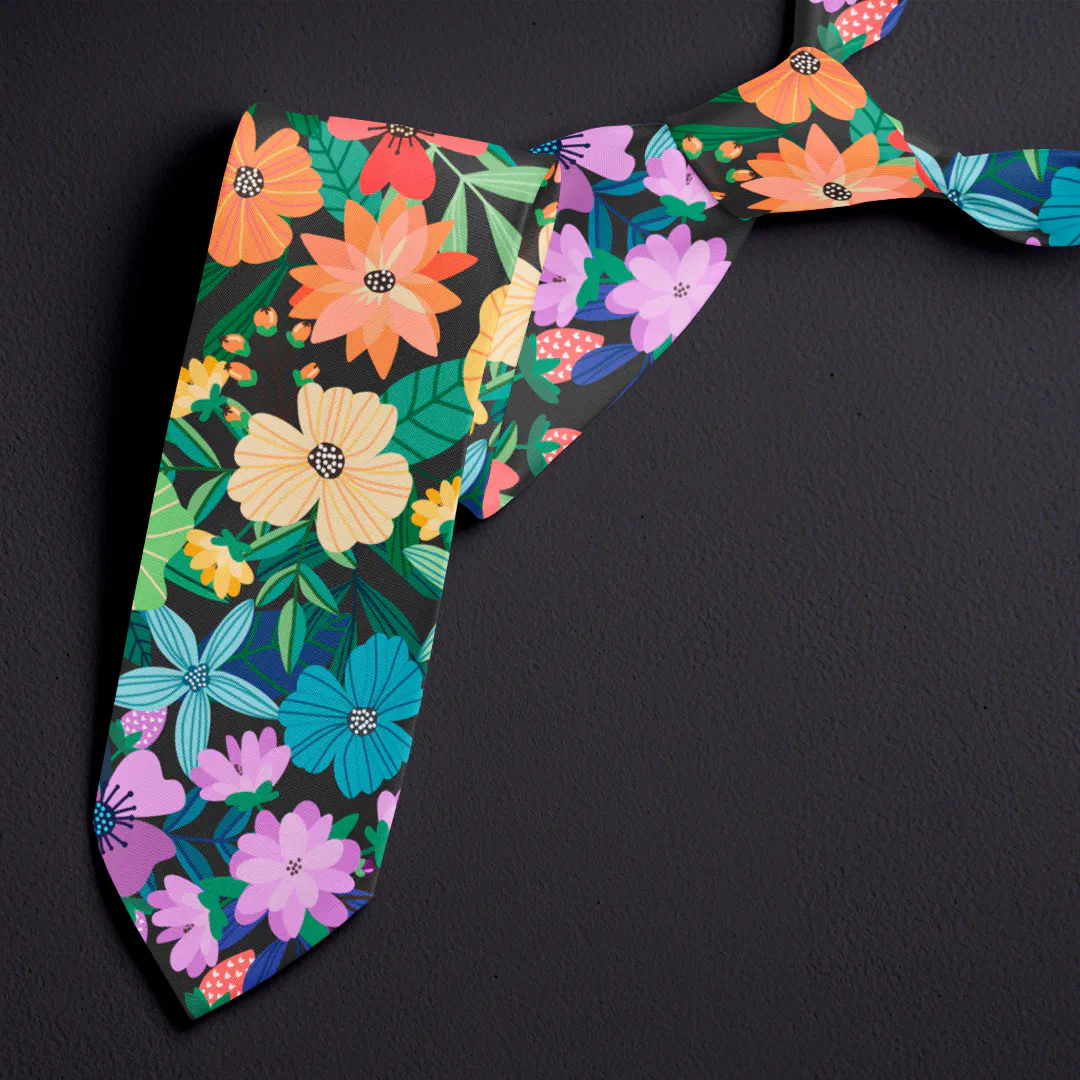
Your wedding party doesn’t need a “best man on this side, maid of honor on that side” setup either. Mixed-gender wedding parties are not only allowed, but they’re a much better reflection of who’s actually been in your corner. The same goes for what everyone wears, whether that’s a suit, dress, jumpsuit, or some combination nobody’s ever seen before! A coordinating tie, lapel pin, or pocket square in the same color family ties the look together without forcing anyone into an identical outfit.
As for the bouquet toss, the garter removal, and being “given away,” feel free to keep what feels meaningful and to leave out what doesn’t. Last names are another open question. Keep both, hyphenate, blend them into something new, or skip the swap altogether. There’s no correct answer, just the one that feels right for the two of you!

Write Your Own Happily Ever After
This is your wedding, and it’s up to you to decide which traditions make the cut, if any. Once you’re ready to start planning, it might as well be with the first thing your guests see: our “Tips for Same-Sex Wedding Invitations” will get the energy going from envelope to altar. All in all, the only tradition absolutely worth keeping is the one where you show up, say the vows, and marry the person you love!

Meg is a Content Specialist at Zazzle in Cork. Born and bred Corkonian. An avid animal lover with two cats named Beamish and Biscuit, a dog named Fudge, a fish called Panda and a fiancé called Leigh. Favorite pastimes include wearing anything animal print, vintage and charity shopping, venturing down the rabbit-hole on niche conspiracy theories, reading books and board games.